
Primary Source Set - Franklin Pierce
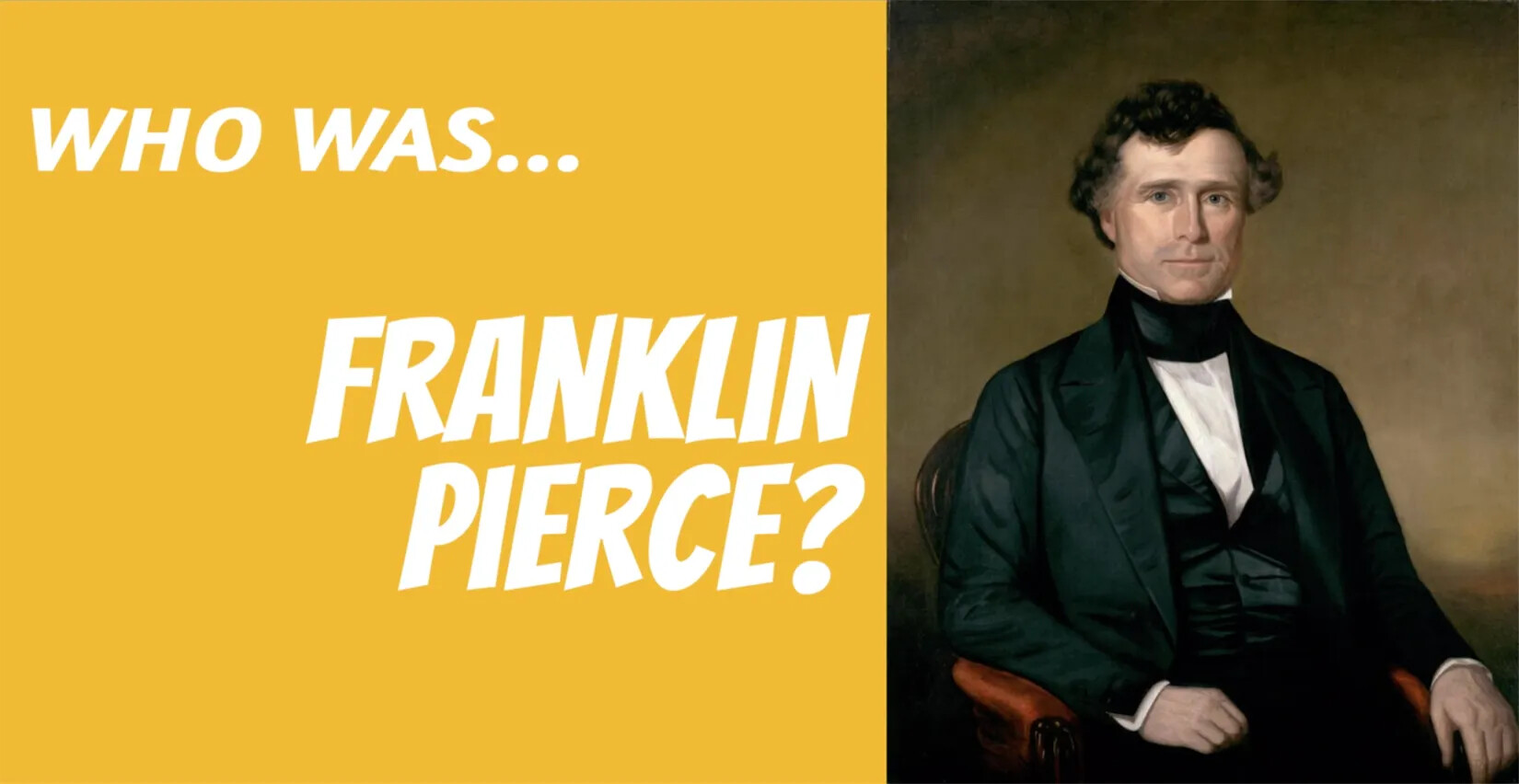
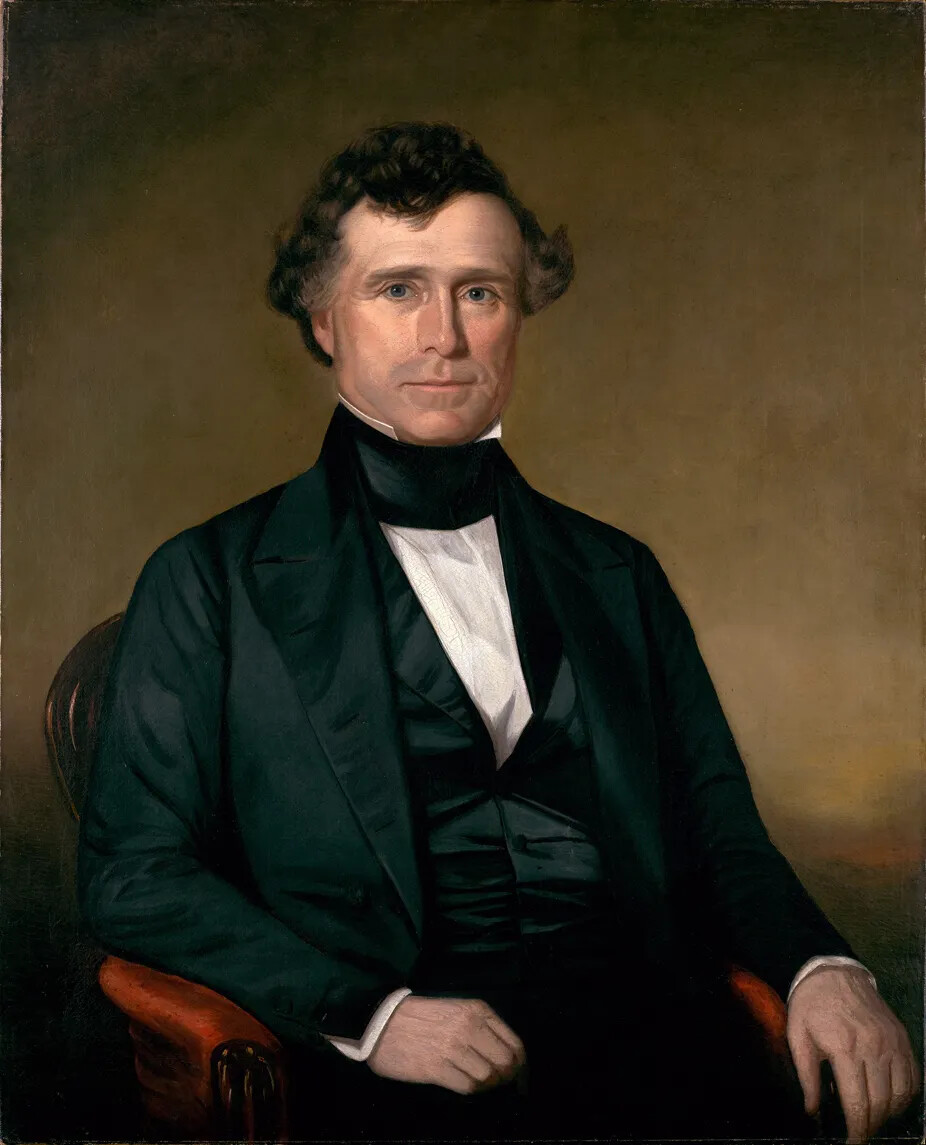
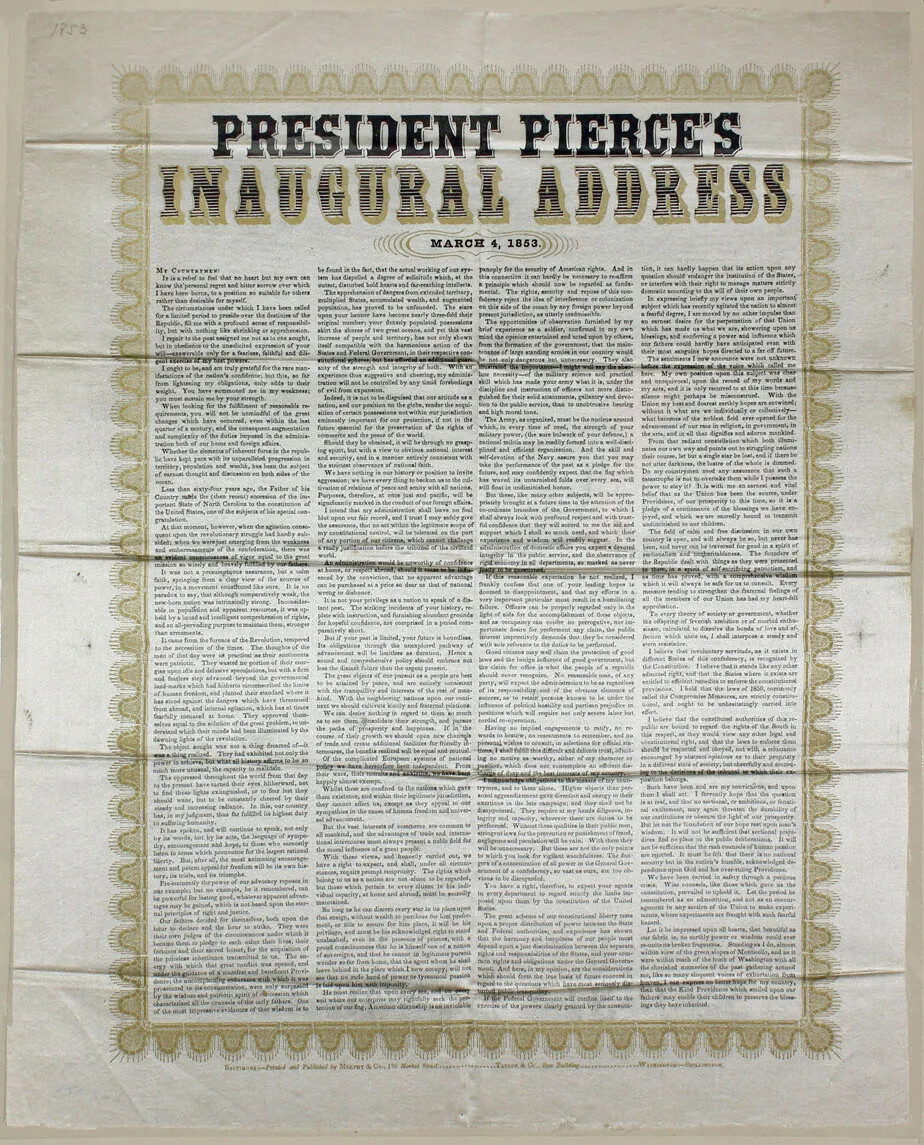
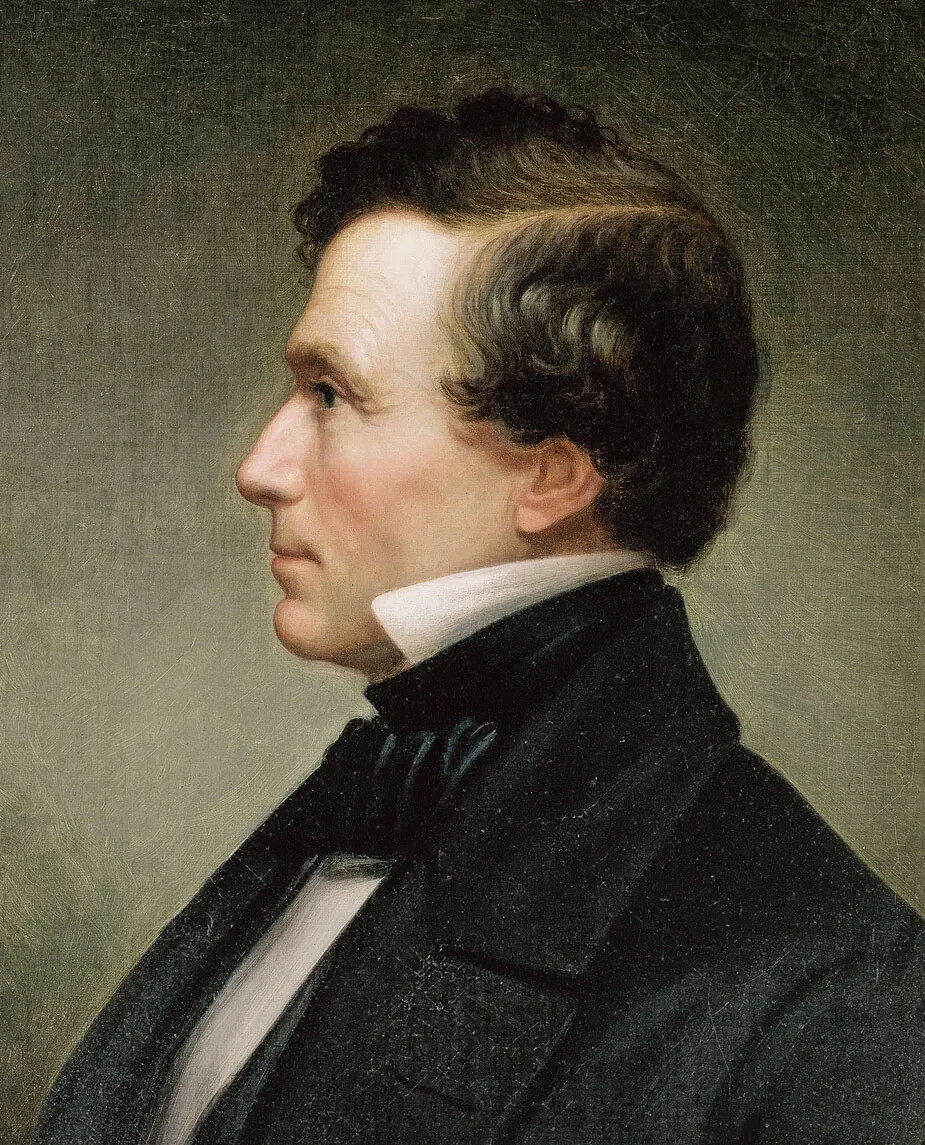
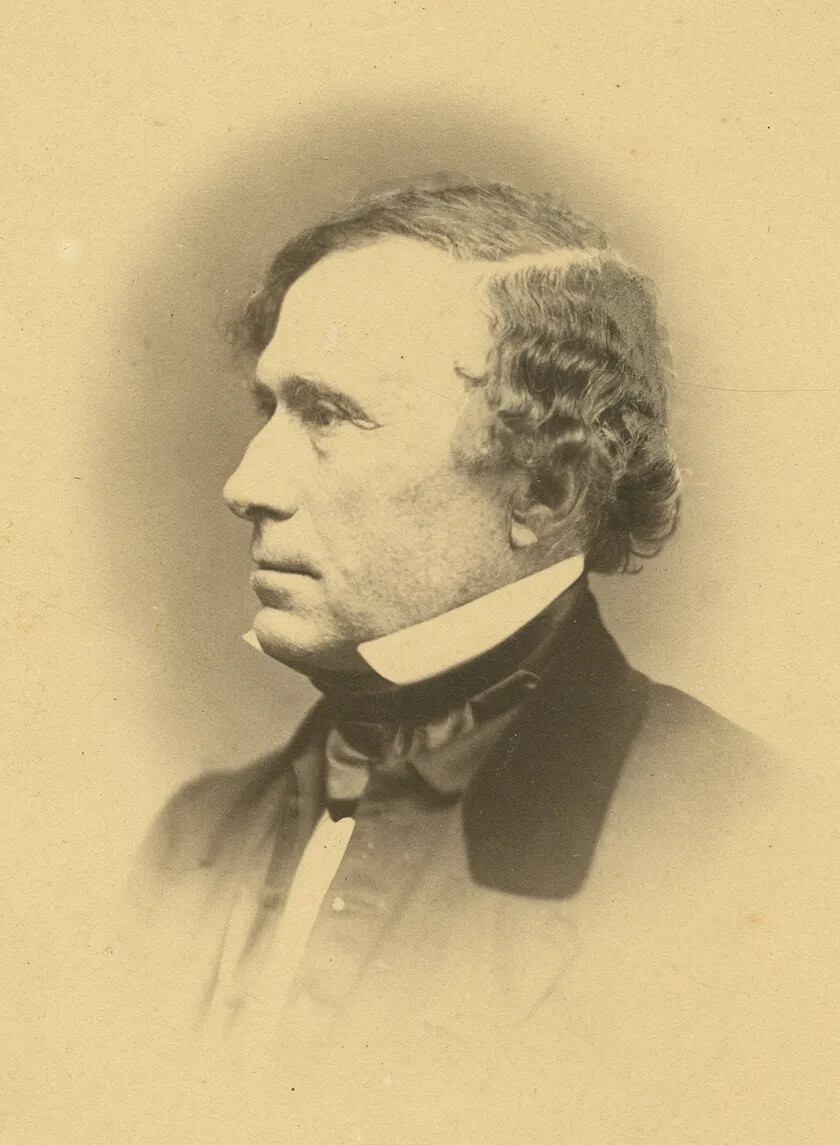
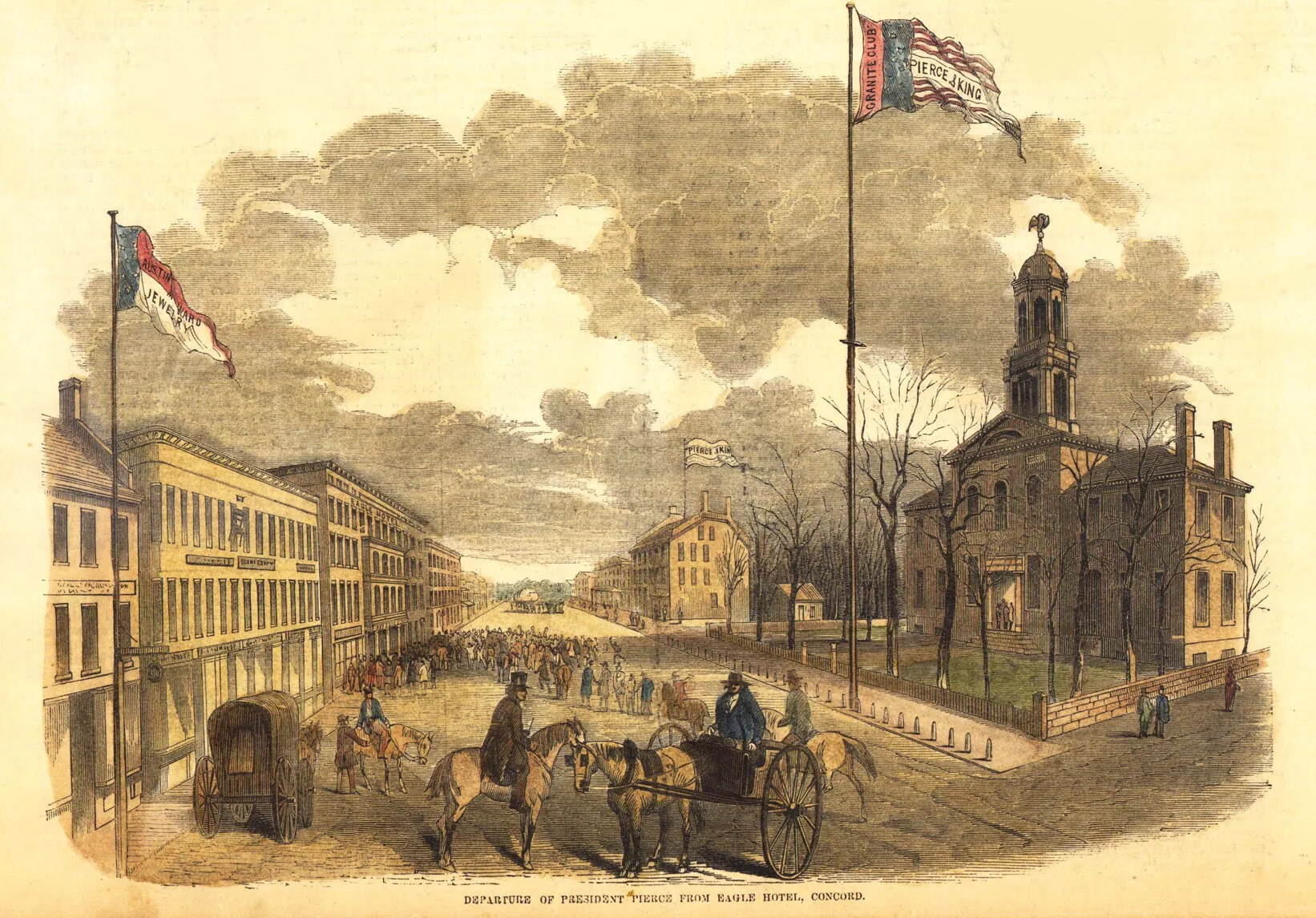
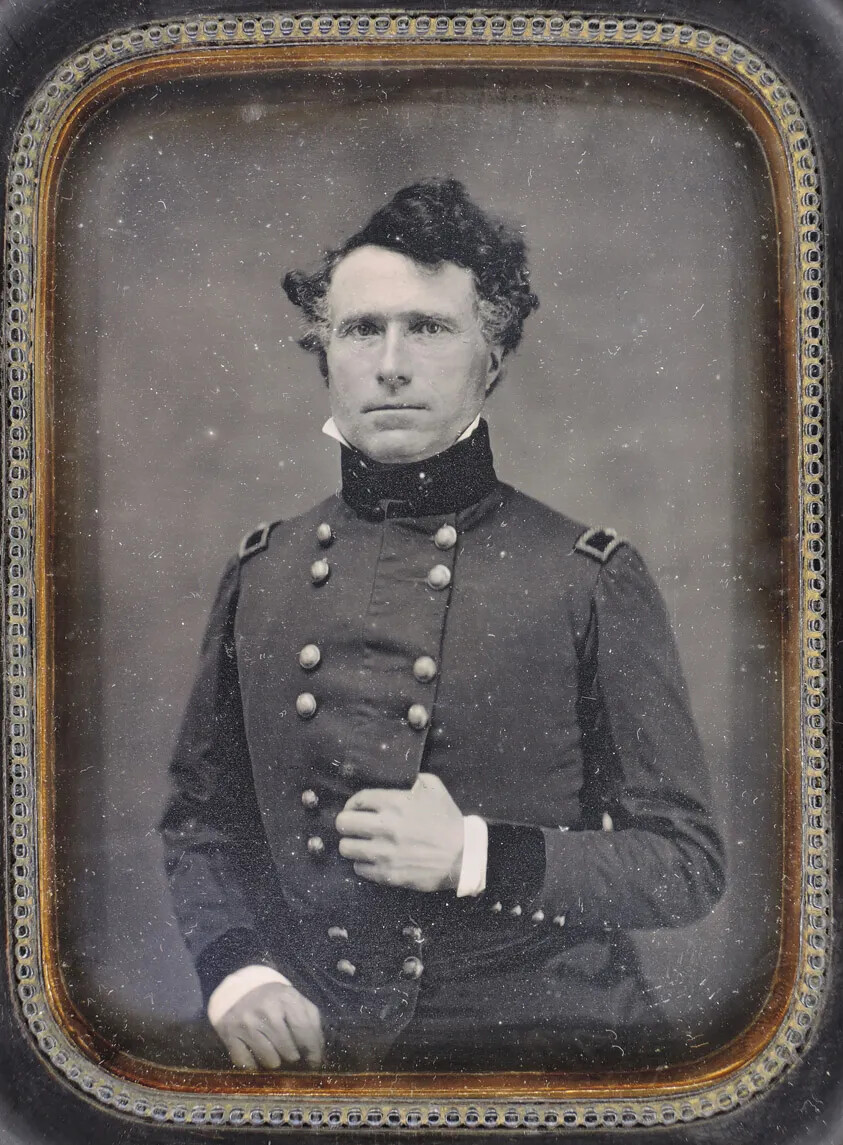
Franklin Pierce was the 14th President of the United States, serving from 1853 to 1857. He was the only president to come from New Hampshire. He was born and raised in Hillsborough and later moved to Concord.
Background
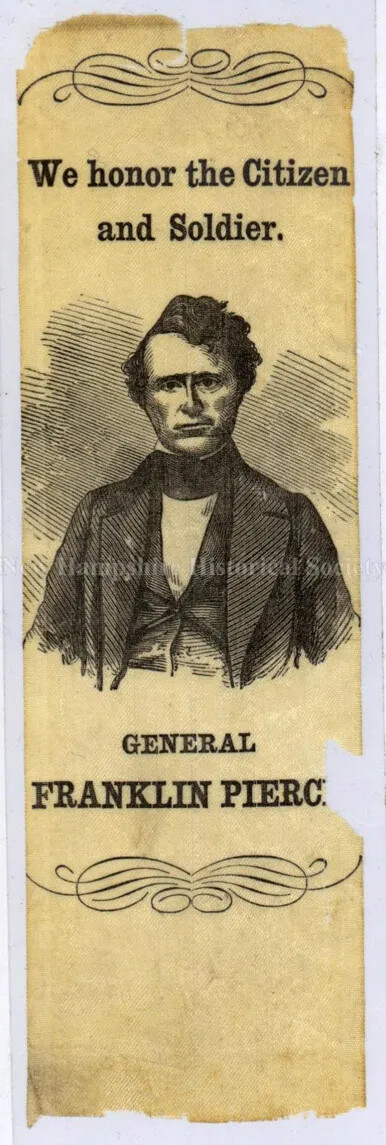
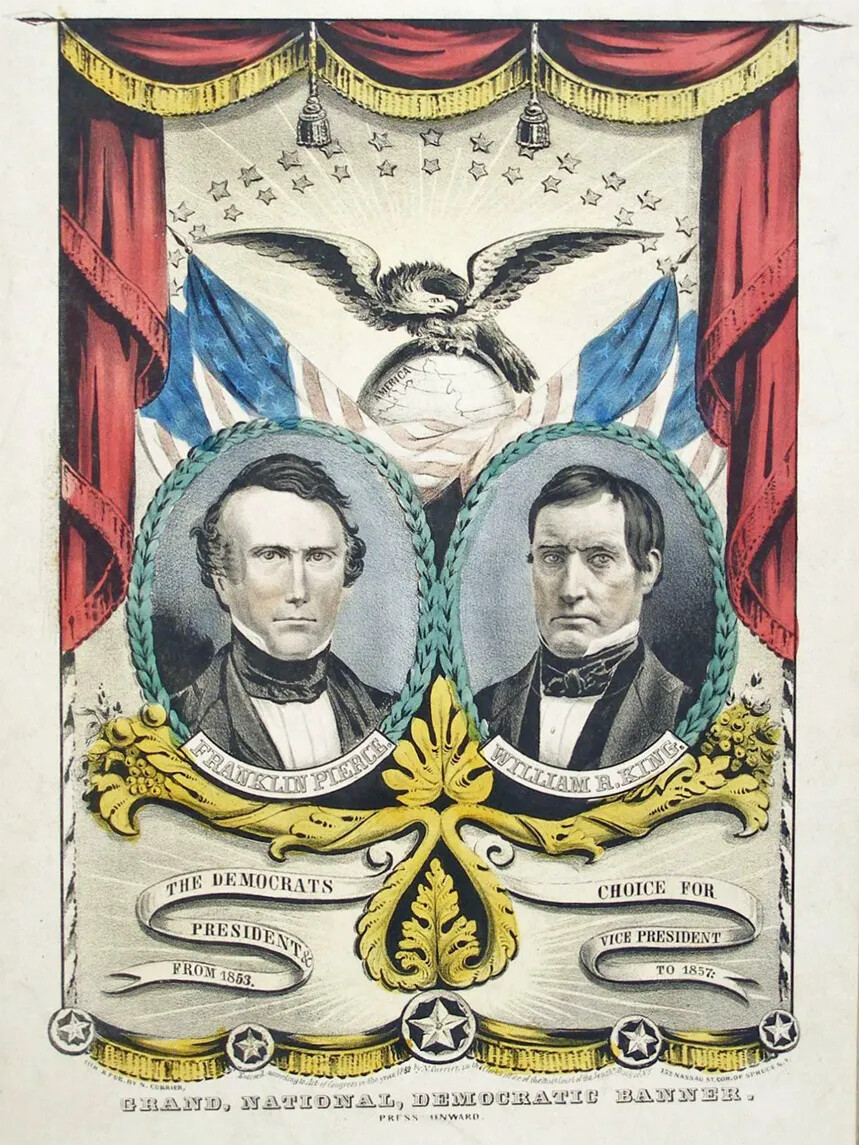
Before he became president, Pierce was actively involved in his community, first as a lawyer and then as a politician. He served in the New Hampshire House of Representatives, the U.S. House of Representatives, and the U.S. Senate. Pierce dominated the Democratic Party in New Hampshire during the 1830s and 1840s, when Democrats controlled the state’s political affairs. He also became an influential figure in the Democratic Party nationally. Throughout his career, Pierce believed ardently that the federal union between the states must be preserved at all costs. Although he was personally opposed to slavery, he argued that slavery was protected in the U.S. Constitution and therefore the federal government must support it. In the 1830s, many political leaders shared this view, but public opinion began to shift in the 1840s, making Pierce’s position less popular among his northern colleagues. However, many still viewed him as a compromise between northern interests and those of the southern states—he was, after all, a northerner who was sympathetic to the South. He was a dark horse candidate for the presidency in 1852, but when the Democrats could not settle on another nominee, Pierce became their man on the 49th ballot. He won the general election with 51% of the popular vote and a strong majority in the electoral college.
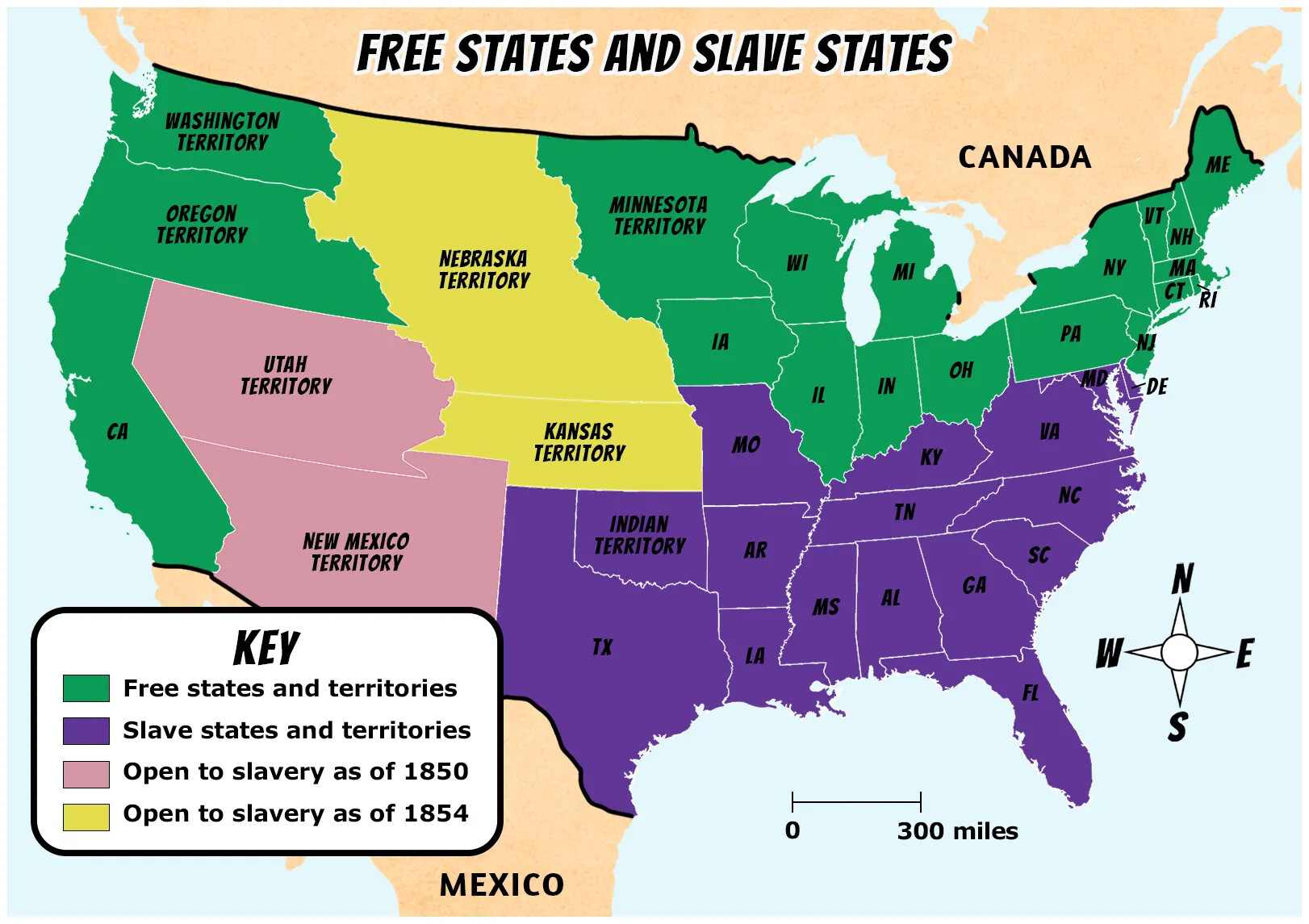
After becoming president, Pierce faced a number of insurmountable problems as sectional tensions threatened to rip the country apart. Even the members of his own cabinet did not get along. In an effort to please everyone, Pierce ended up pleasing no one. In 1854, he signed into law the Kansas-Nebraska Act, which allowed people living in the Kansas and Nebraska territories to vote on whether their states would allow slavery. The act overturned the 1820 Missouri Compromise that had essentially divided the country in half between slave and free states. The Kansas-Nebraska Act reopened this question and ushered in a period of violence in Kansas between the slave and free factions. The territory became known as “Bleeding Kansas,” and the fighting that occurred there would foreshadow the events of the Civil War (1861–65). As president, Pierce supported the slave faction in Kansas, which infuriated his northern supporters. He also backed several other failed or controversial proposals during his four years in office, although the Kansas-Nebraska Act is considered his most significant failure.
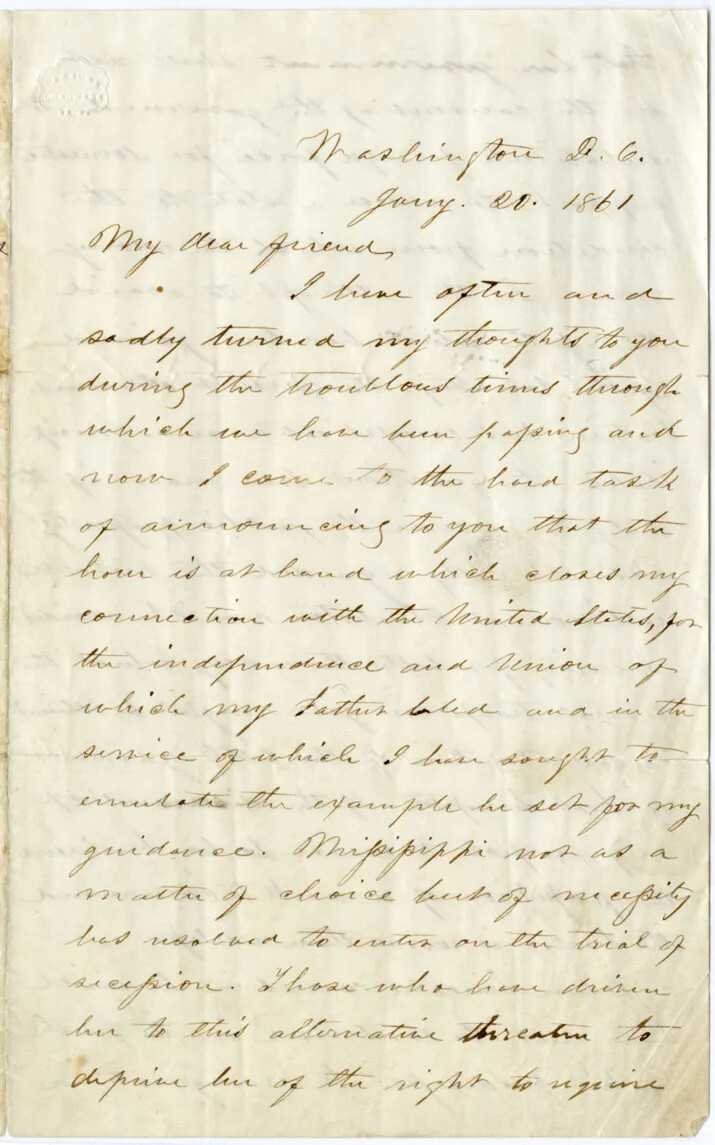
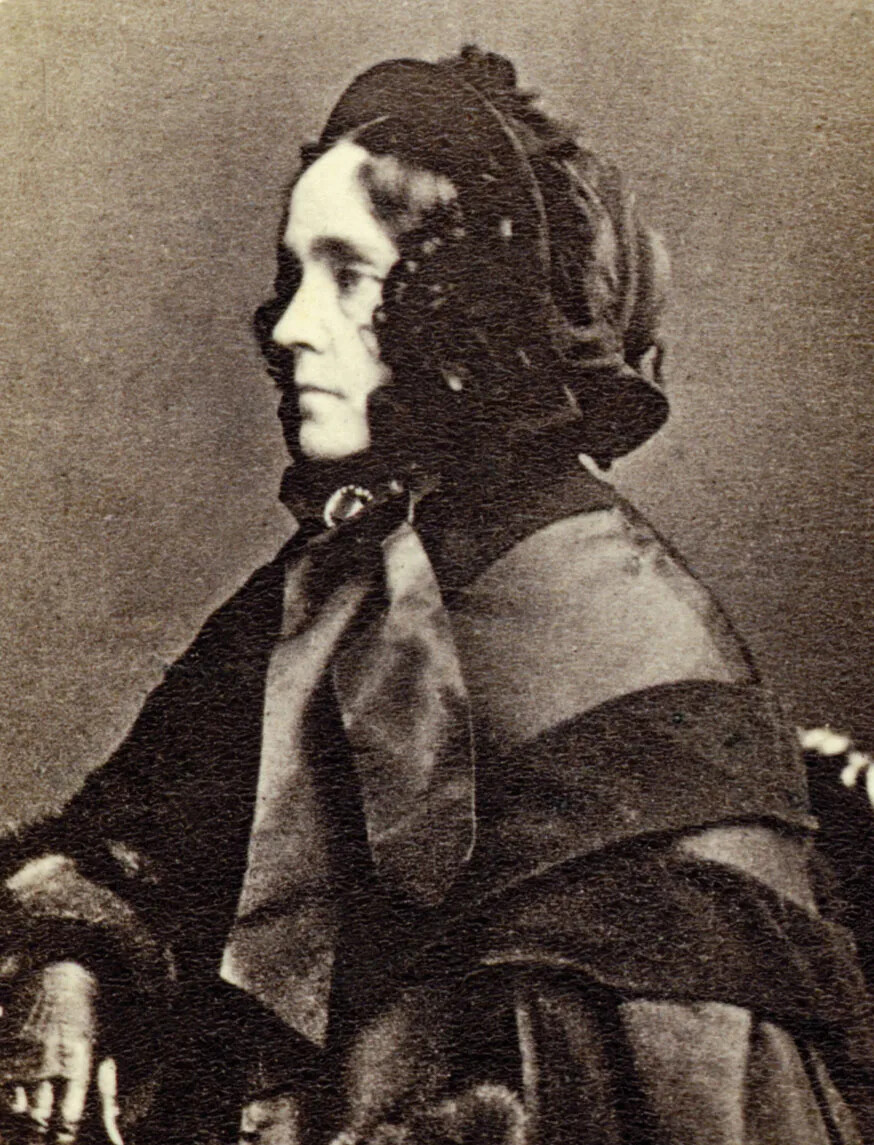
As tumultuous as Pierce’s presidency had been, his personal life too was not without tragedy. None of his children survived childhood, and the last, his 11-year-old son Benny, died in a train accident just two months before Pierce took office. Pierce’s wife, Jane, never recovered from the loss and struggled to act as Pierce’s official hostess during his term in the White House. The couple became close with Pierce’s secretary of war, Jefferson Davis, and his wife Varina. (Davis would later become the president of the Confederacy during the Civil War.)
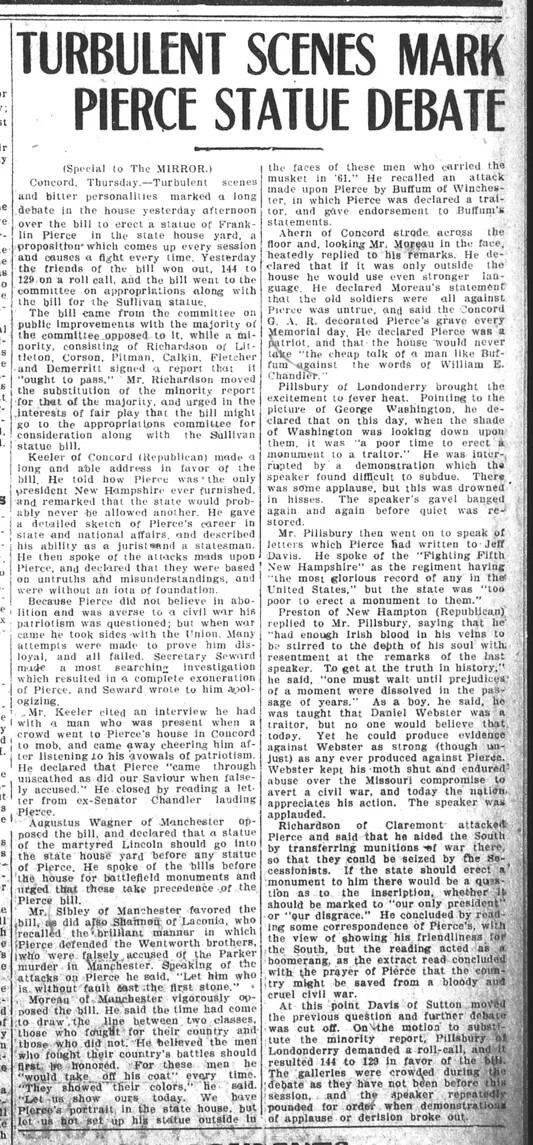
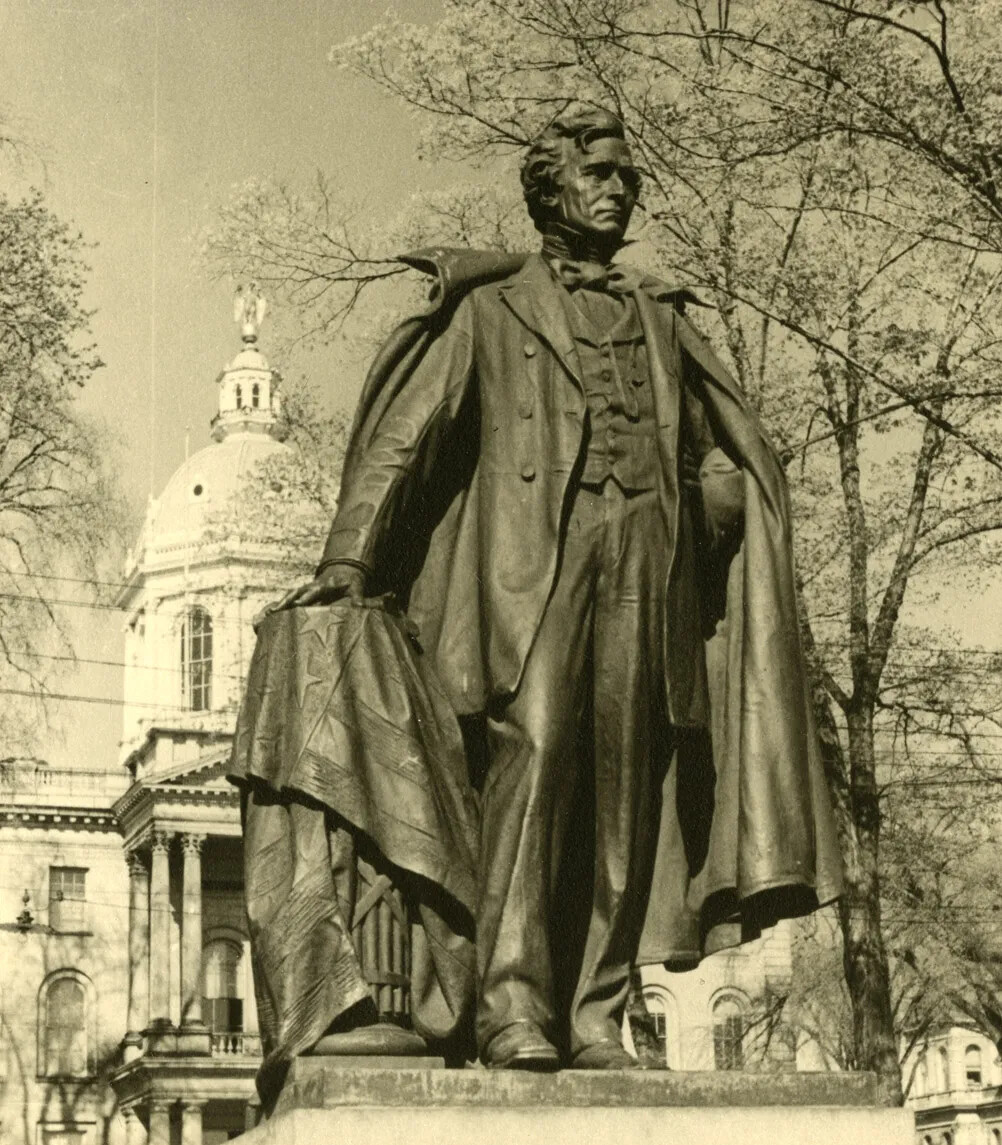
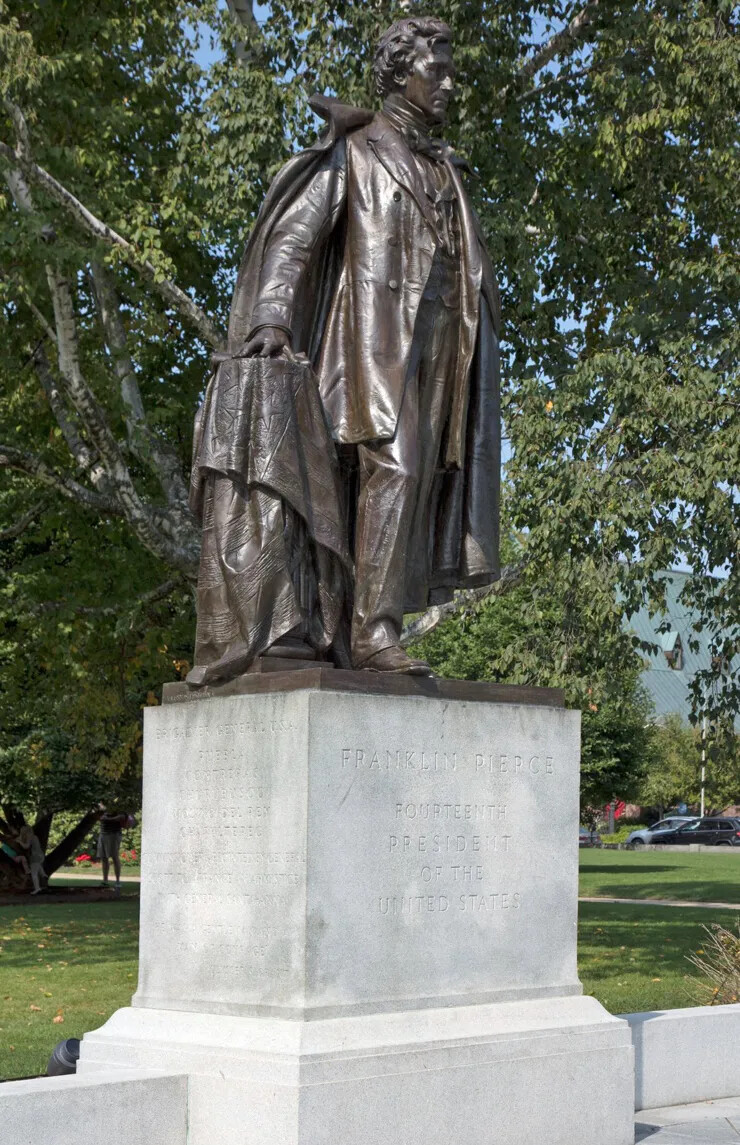
By the time Pierce left the U.S. presidency in 1857, he could claim that he had helped America expand farther westward, but he had only made worse the sectional tension regarding slavery. Pierce’s party turned against him, and he was not nominated by the Democrats for re-election to the presidency at the end of his term. He returned to Concord in 1857 and continued to publicly argue that the preservation of the Union was more important than the abolition of slavery. Although he still had some supporters, many objected to Pierce’s position, and after Pierce’s death in 1869, there was a fair amount of controversy over how he should be commemorated in New Hampshire. A statue was not erected to him on the state house lawn until 1914.
This primary source set guide can be used in several ways to explore the life of Franklin Pierce. It is not necessary to use all sources in a set to create a meaningful inquiry. Rather, educators are encouraged to select—or have their students select—the sources best suited to your project.
Additional Resources
- Elizabeth Dubrulle, “Franklin Pierce: ‘Great Statesman’ or ‘Traitor to the Country’?” Historical New Hampshire 72 (Spring 2019): 82–93, which includes a discussion of the controversy over Pierce’s state house statue.
- Franklin Pierce Papers, 1929.001. New Hampshire Historical Society, Concord, NH.
- Library of Congress, “Missouri Compromise: Primary Documents in American History,” guides.loc.gov/missouri-compromise/introduction.
- National Park Service, “Bleeding Kansas,” www.nps.gov/fosc/learn/historyculture/bleeding.htm.
- New Hampshire Historical Society, “Timeline of New Hampshire History,” nhhistory.org/Timeline.
- Pierce Brigade, “About Franklin Pierce,” which includes a 7-minute video about Pierce’s life, www.piercemanse.org/learn.html.
- White House Historical Association, “Franklin Pierce” www.whitehouse.gov/about-the-white-house/presidents/franklin-pierce/.
Focus Questions
In addition to our general suggestions for using primary source sets, consider giving students one of the following prompts for an inquiry using this primary source set about Franklin Pierce.
-
1What can you tell about Franklin Pierce given these sources?
-
2How should Franklin Pierce be celebrated if he was a famous Granite Stater but also caused a lot of disagreements because of his actions as president?